

Advanced Heart Transplantation & Mechanical Circulatory Support Program
Advanced Heart Transplantation & Mechanical Circulatory Support Program
The Division of Cardiac Surgery & Lung Transplantation offers advanced clinical training in heart and lung transplantation, mechanical circulatory support (MCS), and extracorporeal membrane oxygenation (ECMO). UCSF has a long standing history of innovation and excellence in cardiothoracic transplantation. The Heart Transplant Program has performed its first transplant in March 1989 and has since gone on to become the 8th largest program in the nation. With a distinguished history spanning over three decades, our experience has recently led to significant growth, achieving an impressive milestone of nearly 100 heart transplants this year alone.
Health Sciences Clinical Instructor Pathway
The Advanced Heart Transplantation & Mechanical Circulatory Support Health Sciences Clinical Instructor Pathway is designed for physicians seeking advanced clinical experience following completion of cardiothoracic surgical training. The pathway provides broad exposure to heart and lung transplantation, mechanical circulatory support, and ECMO while allowing the individual's clinical experience to be tailored toward a cardiac, lung, or combined area of emphasis. Up to two Health Sciences Clinical Instructors may be appointed annually. Clinical experiences may include:
- Heart and lung transplantation
- Surgical management of transplant candidates and recipients
- Donor evaluation and selection for donation after brain death (DBD) and donation after circulatory death (DCD)
- Donor organ recovery
- Mechanical circulatory support, including durable and temporary support strategies
- ECMO indications, deployment, management, and surgical considerations
- Machine perfusion and organ preservation technologies
- Ex vivo organ perfusion
- Normothermic regional perfusion
- Multidisciplinary management of advanced heart and lung failure
- Participation in transplant selection and clinical conferences
Health Sciences Clinical Instructors work within UCSF's multidisciplinary heart and lung transplant programs and gain experience across the continuum of advanced cardiopulmonary surgical care. Participation in clinical outcomes research, quality improvement, education, and other scholarly activities is encouraged.
Areas of Emphasis
Although all Clinical Instructors receive exposure across the pathway's core clinical areas, the experience may be individualized according to the physician's background, professional goals, and selected area of emphasis:
Heart Transplantation & Mechanical Circulatory Support
Clinical experiences may place additional emphasis on advanced heart failure surgery, heart transplantation, donor evaluation and recovery, durable and temporary mechanical circulatory support, and related perioperative management.
Lung Transplantation & ECMO
Clinical experiences may place additional emphasis on lung transplantation, donor evaluation and recovery, ECMO, advanced lung failure, organ preservation and perfusion strategies, and related perioperative management.
Combined Heart & Lung Transplantation
Physicians seeking broader advanced experience may pursue a combined emphasis incorporating heart transplantation, lung transplantation, MCS, and ECMO. Individual clinical experiences are determined based on educational objectives, program needs, faculty guidance, and available clinical opportunities.
Appointment, Salary & Benefits
Selected individuals receive an appointment as a Health Sciences Clinical Instructor in cardiothoracic surgery. Appointments include a competitive salary and eligible UCSF health and leave benefits. Appointment duration and clinical emphasis are determined based on the individual's training objectives and program requirements.
California Medical Licensure
Applicants must meet the applicable requirements for authorization to participate in clinical activities in the State of California. Prospective applicants should review current requirements established by the Medical Board of California, including requirements for a California Physician's and Surgeon's License and applicable special permit pathways.
Additional information:
- California Physician's and Surgeon's License
- Medical Board of California Physician's and Surgeon's License Application & Information Checklist
- Medical Board of California Special Permits
- American Board of Thoracic Surgery Certification Pathways
Application Requirements
Applicants should submit:
- Letter of interest describing their proposed area of emphasis and career goals
- Curriculum vitae
- Three (3) letters of reference
- Documentation of USMLE examinations 1, 2, and 3
- ECFMG status
- Current visa status
- Documentation necessary to evaluate eligibility for California clinical authorization and appointment
Applicants must have completed, or be on track to complete, the postgraduate clinical training required for appointment before beginning the pathway. Additional eligibility requirements may apply based on the applicant's prior training, licensure status, immigration status, and proposed clinical activities.
Application Cycle
Applications are accepted for upcoming appointment cycles in accordance with the dates published by the Division of Cardiac Surgery and Lung Transplantation.
| Standard Recruitment Timeline (Off cycle applications considered, not guaranteed) | |
| Application Period Opens | August 1 |
| Application Deadline | November 1 |
| Faculty Application Review | November 2-December 4 |
| Interview Period | December 7 – January 15 |
| Final Candidate Selection | By January 22 |
| Appointment/Offer Documentation | No later than March 26 |
| Target Offer Completion | By mid-April |
| Immigration / ISSO Processing | Begin at the earliest point permitted. |
| H-1B Planning Allowance | Approx. 9–10 months total |
| Licensing / Credentialing / Privileging | Parallel, as early as permitted |
| Final Readiness / Onboarding | June–August |
| Clinical Instruction Begins | September 1 |
Applicants are encouraged to apply well in advance of their intended start date, particularly when medical licensure, immigration sponsorship, or other institutional approvals may be required. Application materials should be submitted through the CSLT Clinical Instructor application form. Questions regarding the program or application process may be directed to [email protected].
Why UCSF?
Clinical Instructors train in high-volume heart and lung transplant programs, gaining exposure to advanced technologies and techniques, including DCD transplantation, mechanical circulatory support, ECMO, organ preservation technologies, and ex vivo perfusion.
UC San Francisco seeks candidates whose experience, teaching, research, and community service have prepared them to contribute to our commitment to diversity and excellence.
As a University employee, you will be required to comply with all applicable University policies and/or collective bargaining agreements, as may be amended from time to time. Federal, state, or local government directives may impose additional requirements.
UCSF is committed to welcoming and serving all people, honoring the dignity of every individual without preference or prejudice, in support of its public mission and in alignment with our PRIDE values and Principles of Community.
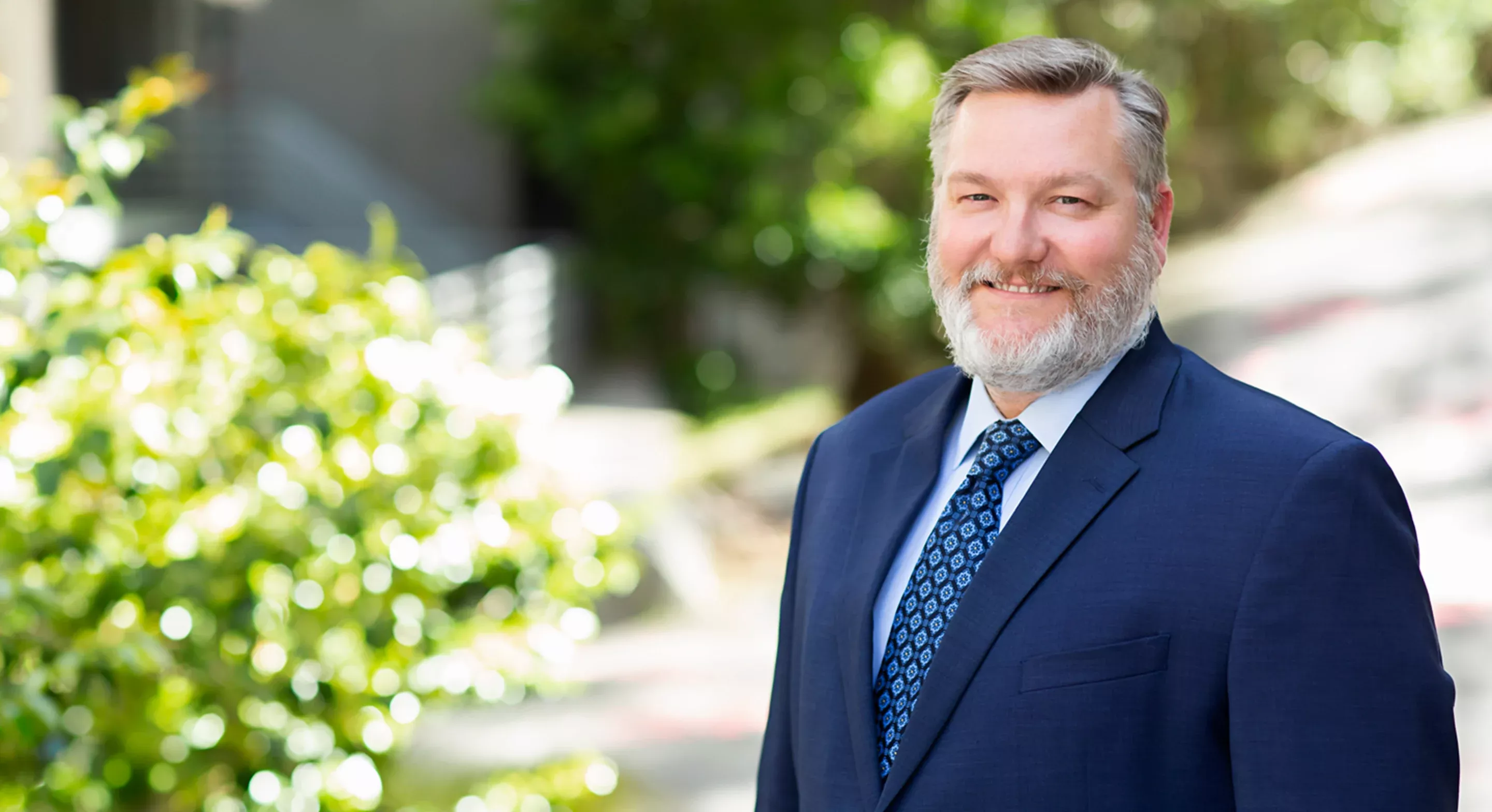
Jason W. Smith, MD, FACS
Division Chief & Professor of Surgery
Helen and Charles Schwab Distinguished Professor of Surgery
Program Director for the Advanced Cardiac Transplantation & MCS Training Program
Division of Cardiac Surgery and Lung Transplantation
Department of Surgery, School of Medicine
University of California, San Francisco
Co-Director, Heart and Vascular Center, UCSF Health
[email protected]